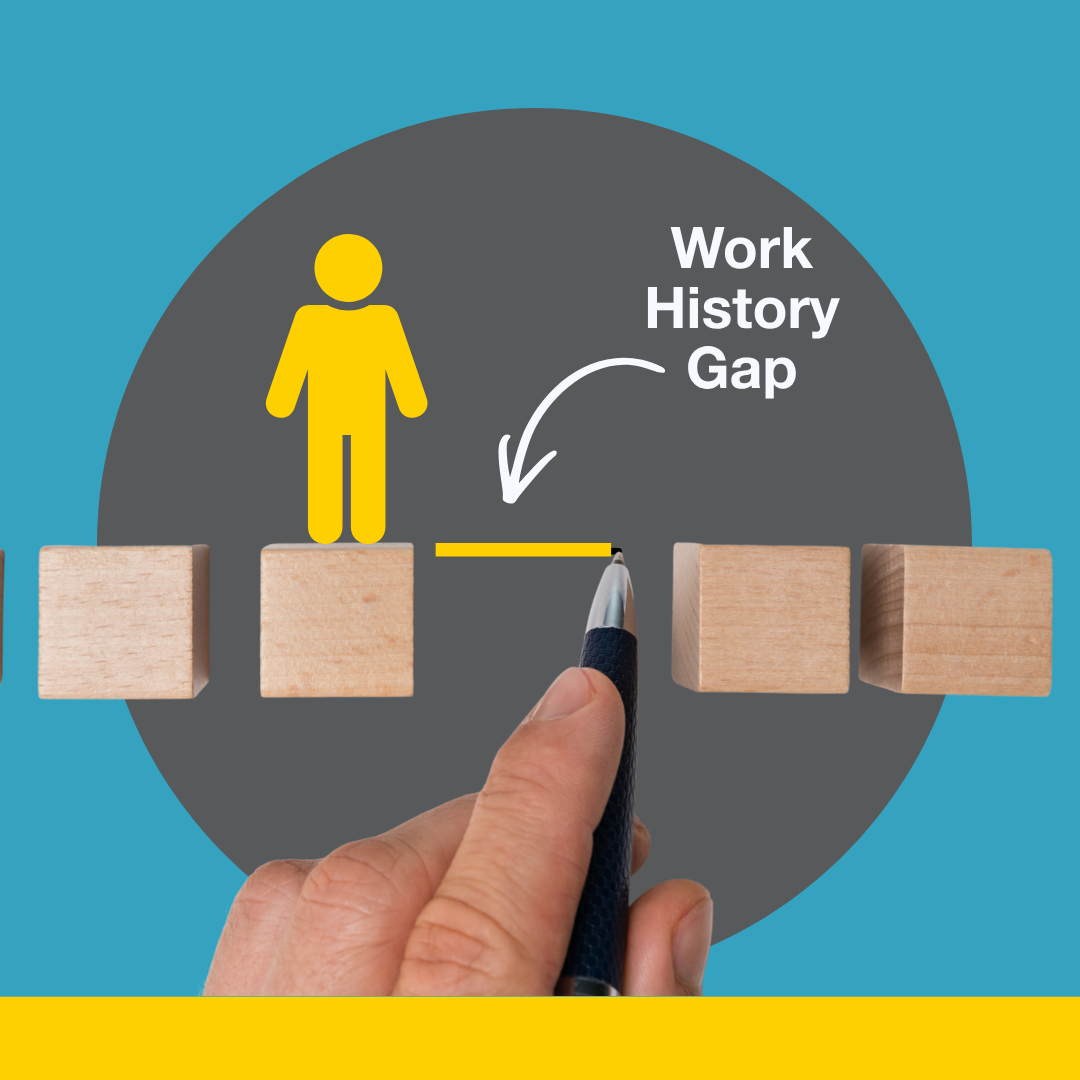

Why Waiting to Decide Is the Most Expensive Mistake
The skepticism slowing both sides of the desk is costing real people real opportunities

Hiring seems to be moving again in many markets, but placements are stalling at the decision stage. Employers and candidates both have reasons to hesitate. The cost of that hesitation is showing up in lost placements, not in missing people.
The Real Costs Employers and Candidates Do Not See Right Away
When decisions stall, the damage is quiet but concrete.
- Strong candidates accept other offers while employers deliberate over minor preferences
- Clients circle back days later, only to find the person they wanted has already started elsewhere
- Open roles stretch longer, pushing overtime onto existing teams and wearing down morale
- Candidates who hesitate lose the window entirely and re-enter a search with fewer options
- Trust erodes on both sides, making the next conversation harder before it even starts
None of these show up as a hiring mistake on a report. They show up as a hiring frustration, and that frustration is usually the signal that decisions are taking too long.
Why Waiting Makes Hiring Harder Later
Strong candidates do not sit available for long. A machinist who interviews well on Monday is rarely still available on Friday. A press operator who checks in weekly and is ready to start the next day will not wait while an employer decides whether to make the offer.
The longer a decision takes, the more the market shifts underneath it. Candidates who were interested move on. Clients who were considering adjust their requirements. By the time a decision finally comes, the person it was about has often already committed elsewhere. Speed is not about rushing. It is about not losing the person who is ready to the employer who acts first.
The Trust Gap Most Employers Miss
There is a deeper cost that does not get talked about. When candidates walk into a staffing conversation already skeptical that the roles are real, they hesitate differently. They do not engage fully. They hold back. Some walk out before the conversation even gets started, convinced there is nothing behind the posting.
That skepticism is not random. It comes from real experience. Candidates who have been through processes that went nowhere, who applied to roles that were not actually open, or who felt like a resume in a pile rather than a person in a conversation bring that wariness into every new interaction. Employers who recognize this can address it directly in the first conversation. Those who do not will keep losing candidates before the process even begins.
Why Smaller Markets Feel This More Acutely
In larger metro markets, deeper candidate pools create a buffer. If one candidate hesitates, another is close behind. Midwest manufacturing and industrial markets do not have that margin.
A press operator role in DeWitt, Iowa is not competing with Des Moines for candidates. It is competing with the drive from Clinton and the pay rate that makes that drive worth it. When the pool is small and geography narrows it further, every hesitation costs more. The candidate who is ready, willing, and local is rare enough that waiting for a better option usually means waiting for no one.
How Sedona Staffing Helps Employers and Candidates Avoid Losing Placements to Hesitation
At Sedona Staffing, our recruiters sit close to both sides of this every day. We see more skeptical candidates, and we understand why.
We see employers pause on candidates who are ready to start, and we know what that pause usually costs.
Our role is to help both sides move with confidence, not pressure. For employers, that means providing honest market context so decisions happen with clear information instead of endless deliberation. For candidates, that means establishing credibility in the first conversation, being upfront about what is real, and helping them see the opportunity clearly enough to act.
When a placement is right, speed serves everyone. When hesitation is the only thing standing between a ready candidate and an open role, our job is to help close that gap.
Q&A
Q. Is hesitation really the problem, or is it just a tight labor market?
A. In most cases, the people are there. The problem is that decisions on both sides are taking longer than the market allows, and the placement is lost in the gap.
Q. What does hesitation actually cost an employer?
A. Beyond the open seat, it costs the specific candidate who was ready and available, the team carrying the workload, and the momentum that comes from filling a role before it becomes urgent.
Q. Why do candidates hesitate if the role is real?
A. Usually because they have been burned before by processes that went nowhere. Trust has to be established in the first conversation, or the skepticism does the deciding for them.
Q. Does moving faster mean lowering standards?
A. No. It means making the decision when the information is there instead of waiting for certainty that does not exist. Speed comes from clarity, not from cutting corners.
Q. How does Sedona Staffing help both sides move faster without pressure?
A. We provide honest market context, establish credibility early, and help employers and candidates see the opportunity clearly enough to act with confidence instead of hesitation.
Final Thoughts
The hardest part of hiring right now is not finding people. It is making the decision when they are in front of you. Hesitation feels responsible, but in a tight Midwest market, it is usually the thing that costs the placement.
Employers who act when the candidate is ready fill roles. Candidates who engage fully and decide quickly get placed. The people are there. At Sedona Staffing, we help both sides close that gap. Not by rushing, but by making sure the decision happens with clear information and real confidence.
This article is for informational purposes only and job placement or employment is not guaranteed. This article was written by our team of staffing experts. We use advanced AI tools to assist with research and composition, and every piece is reviewed and edited by our team.