

The Hidden Cost of Underpaying for the Roles You Need to Fill
Below-market pay rarely saves money. It moves the cost into training, turnover, and time you cannot recover.
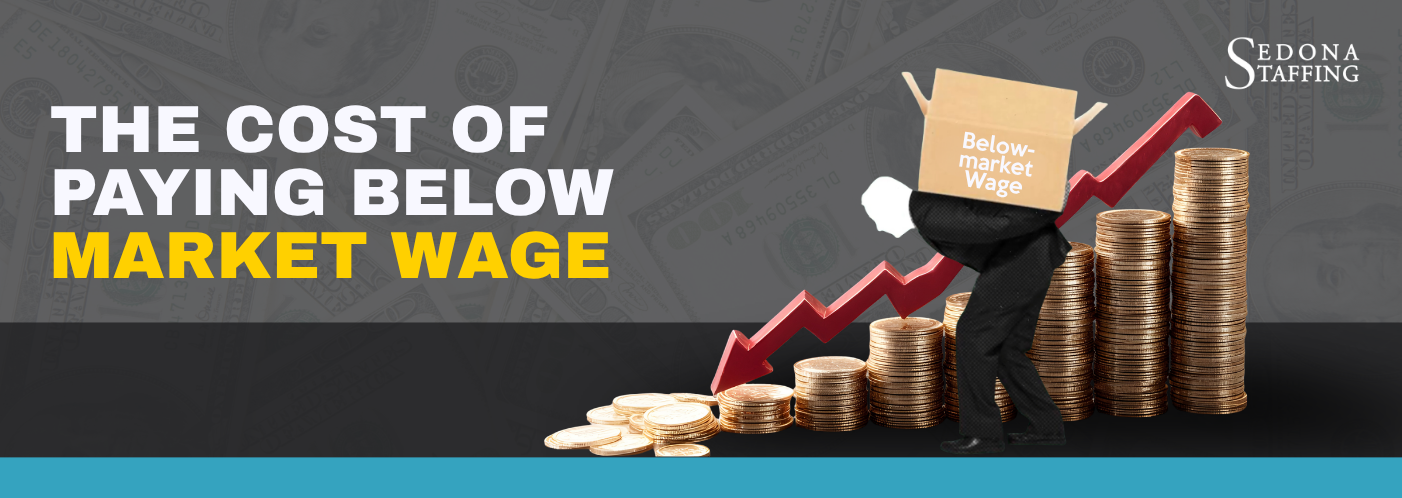
When a role sits open and budgets are tight, posting it at a lower wage feels like the responsible move. You save a few dollars an hour and tell yourself you will train the right person up. On paper it looks careful. In practice, the savings rarely show up where you expected them.
Why Paying Less Feels Like the Safe Choice
When a position opens, the wage line is the easiest number to control. Cutting it by two or three dollars an hour looks like a clean win on the budget, and the logic seems sound: pay less now, train the person into the role, and come out ahead. It feels responsible, especially when leadership is watching costs. The problem is that this math only counts the wage. It assumes the lower-paid hire will perform like a higher-paid one, just after a short ramp. That assumption is where the savings quietly start to disappear, because the gap between an experienced candidate and an inexperienced one is rarely closed by a few weeks of training.
The Real Costs Employers Don't See Right Away
A lower wage does not erase the cost of the role. It relocates it. Here is where it tends to resurface:
- Longer training time, which pulls a supervisor or senior employee away from their own work
- A slower ramp to full productivity, so the role underdelivers for weeks or months
- Higher turnover, since underpaid hires keep looking and often leave once they find market pay
- Repeat recruiting and onboarding costs every time that seat turns over
- More mistakes and rework during the stretch when the person is still learning
Add each of these up and the wage you saved is usually smaller than the cost you created. The savings were never real. They were just harder to see on the budget line.
Why Waiting to Fix Pay Makes Hiring Harder Later
Pay problems compound. A role posted below market does not just fill slowly, it filters out the people you actually want before they ever apply. Strong candidates with options read the number and move on, so your pool narrows to people with fewer choices. The longer the role sits, the more pressure builds, and the more tempting it becomes to hire whoever is left rather than the right fit. By the time most employers raise the wage, they have already lost weeks and burned through the candidates who would have been ideal. Fixing pay early is almost always cheaper than fixing a bad hire or restarting a stalled search.
The Team Cost Most Employers Miss
The hidden bill does not stop with the new hire. When someone comes in underpaid and under-prepared, the people around them absorb the difference. A supervisor spends extra hours coaching. Coworkers cover the gaps and pick up slack. Pay compression becomes a problem too, because existing employees notice when a new person earns close to what they make after years on the job, or when a role they could have grown into went to someone cheaper. Morale and retention take a quiet hit that never appears on the original hiring spreadsheet, but shows up later as more open seats.
How Sedona Staffing Helps Employers Set the Right Pay
Sedona Staffing spends every day inside local hiring markets, so we see what roles are actually paying and what candidates are actually accepting. When an employer is weighing a wage, we can tell them early whether the number will draw the people they need or quietly screen them out. That is not about pushing pay up for its own sake. It is about helping employers spend their hiring budget where it works, so a role gets filled once, by the right person, instead of three times by the wrong ones.
Questions Employers Ask
Q. Isn't paying less still cheaper, even if training takes longer?
A. Sometimes, but rarely by as much as it looks. Once you add training time, slower output, and turnover, the wage savings usually shrink or disappear.
Q. How does paying market rate actually save money?
A. It shortens the search, speeds up the ramp, and keeps the person in the seat longer, so you pay the recruiting and onboarding cost once instead of repeatedly.
Q. We are in a slow hiring season. Can't we wait and pay less now?
A. A low wage filters out strong candidates no matter the season. Waiting often just means losing the best people early and settling later.
Q. Does fair pay help beyond the new hire?
A. Yes. It protects morale and retention for your current team, who notice pay gaps and feel the strain of covering for an underprepared coworker.
Q. How can Sedona help us decide on a wage?
A. We see real local pay and acceptance trends every day, so we can tell you early whether a number will attract the right candidates or quietly turn them away.
Final Thoughts
Cutting pay to save money is one of the easiest decisions to justify and one of the most expensive to live with. The wage comes off the budget, but the cost moves into training, turnover, and the time you cannot recover. Employers who price a role correctly the first time fill it faster and keep it filled. In a tight local market, that difference is often the whole game. The cheapest hire is the one you only have to make once.
This article is for informational purposes only and job placement or employment is not guaranteed. This article was written by our team of staffing experts. We use advanced AI tools to assist with research and composition, and every piece is reviewed and edited by our team.