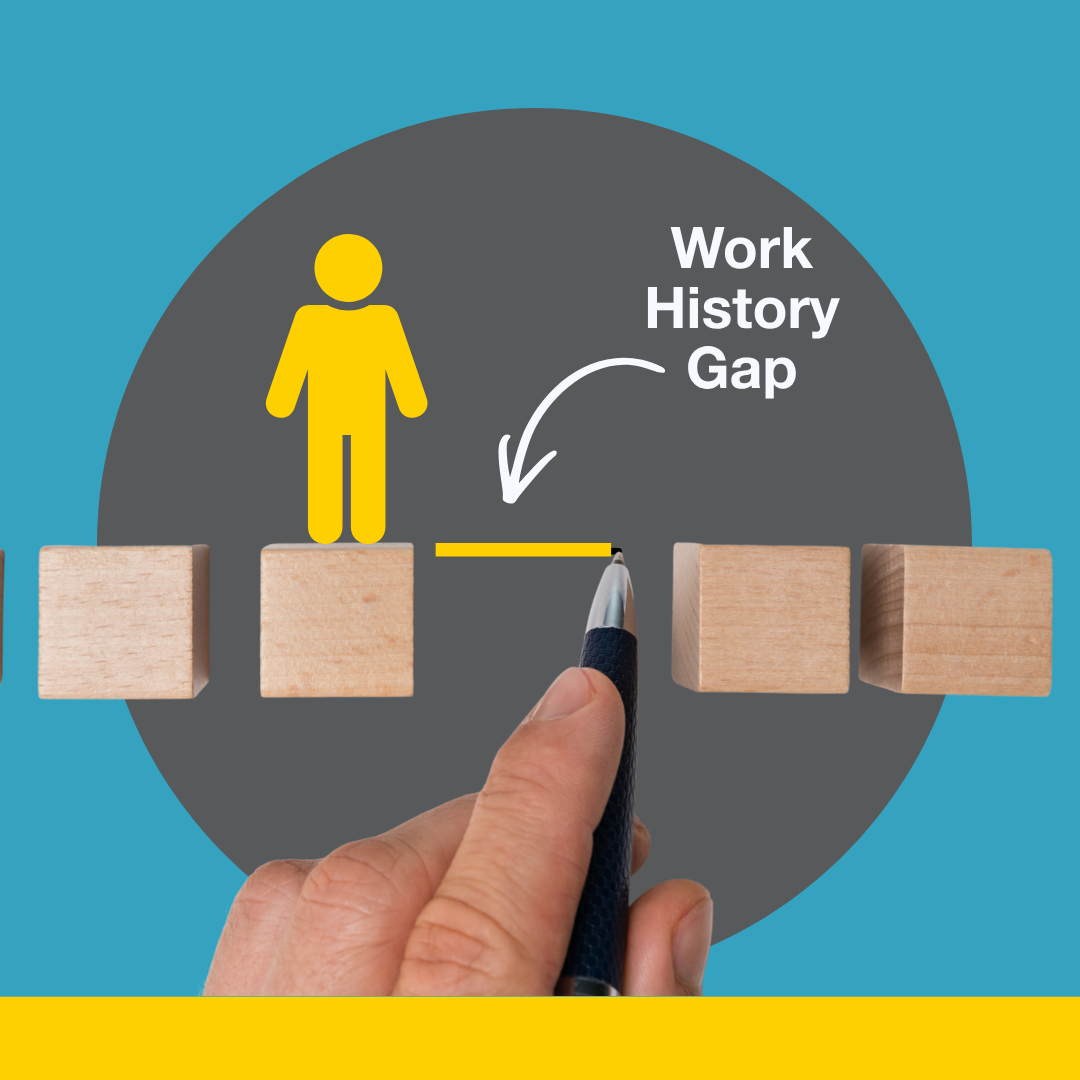

What's Slowing Hiring Down Right Now
Why process inefficiency creates more hiring delays than candidate shortages in Midwest markets.
Hiring feels slower than it should. Open roles sit unfilled for weeks. Candidates seem interested but do not convert to starts. Employers assume the problem is lack of available people.
In most Midwest manufacturing and warehouse markets, the real bottleneck is not candidate supply. It is process friction on both sides that prevents matches from happening. Understanding where delays actually occur reveals what needs to change.
Why Labor Shortages Get Blamed for Everything
When hiring takes longer than expected, labor shortages become the default explanation.
Employers see unfilled positions and assume no one is looking. Recruiters see candidate volumes and assume employers are too picky. Both sides focus on quantity instead of examining where the process actually breaks down.
This misdiagnosis leads to the wrong solutions. Employers post more ads hoping for more applicants. Recruiters expand search radius hoping to find different candidates. Neither addresses the real problem: qualified candidates exist but are not completing the hiring process.
The Candidate-Side Friction That Kills Placements
Several specific candidate behaviors create delays that employers interpret as labor shortages.
- Candidates start the process but do not complete testing or paperwork. They express interest, submit applications, and then disappear when pre-employment requirements appear. Employers wait for results that never come, extending time-to-fill unnecessarily.
- Availability claims made during interviews do not hold under scrutiny. Candidates say they are flexible but later reveal they cannot work evenings, weekends, or the shifts where openings actually exist. This mismatch surfaces late in the process, forcing restarts.
- Background or drug screening concerns emerge after interviews. Candidates know issues exist but do not disclose them upfront. When employers discover problems through formal checks, placements fail and timelines reset.
These are not labor shortages. These are process failures where candidates enter the pipeline but do not complete it, creating the appearance of unavailability.
The Employer-Side Delays That Compound the Problem
Process inefficiency on the employer side slows hiring just as much as candidate friction.
- Internal feedback loops take days instead of hours. Hiring managers interview candidates but delay decisions waiting for additional input or approvals. In manufacturing and warehouse markets where strong candidates move quickly, this delay costs placements to faster competitors.
- Job descriptions and requirements shift mid-process. Employers start searching for one skillset and then decide they actually need something different. Candidates who were strong matches become irrelevant, and searches restart from scratch.
- Onboarding systems create unnecessary delays. Background checks take longer than they should because internal HR processes move slowly. Drug screening facilities have limited hours or require multiple visits. These administrative bottlenecks hold up candidates who are otherwise ready to start.
When candidates and employers both introduce friction, hiring velocity collapses even when candidate supply is adequate.
Why Tight Labor Markets Punish Inefficiency
In larger markets with deeper candidate pools, process inefficiency gets masked by volume.
Midwest manufacturing and warehouse markets do not have that buffer. Candidate pools are smaller, and strong candidates have multiple options. Every delay or process failure costs placements because competitors move faster.
Employers who streamline their hiring process fill roles quickly. Those who maintain slow feedback loops, unclear requirements, or cumbersome onboarding lose candidates to more decisive competitors. The difference is not candidate availability. It is execution speed.
What Speed Actually Looks Like in Industrial Hiring
Fast hiring does not mean skipping steps. It means removing unnecessary friction from necessary steps.
- Candidates complete pre-employment requirements immediately instead of slowly. Testing, background checks, and drug screening happen within days, not weeks. Delays signal lack of urgency, and employers respond by deprioritizing those candidates.
- Employers make decisions quickly after interviews. Same-day or next-day feedback keeps strong candidates engaged. Multi-day delays allow candidates to accept other offers or lose interest entirely.
- Onboarding processes are coordinated, not sequential. Background checks, drug screening, and paperwork happen in parallel rather than waiting for each step to complete before starting the next. This reduces time-to-start significantly.
Speed is not about rushing. It is about eliminating waiting periods that serve no purpose.
How Sedona Staffing Helps Reduce Hiring Friction
At Sedona Staffing, our recruiters work with both employers and candidates across Midwest manufacturing and warehouse markets every day. We see where the process breaks down and what actually causes delays.
We help employers identify internal bottlenecks that slow decision-making and onboarding. We help candidates understand what completes the process quickly versus what creates delays. Our goal is to remove friction on both sides so that matches happen faster without sacrificing quality.
Years of placing candidates in industrial roles means knowing where time gets wasted and how to eliminate it.
Q&A
Q. Is labor supply really not the problem in most markets? A. Often not. Process inefficiency and candidate friction create the appearance of shortages when qualified candidates exist but are not completing the hiring process.
Q. Does faster hiring mean lower quality placements? A. No. Speed comes from removing unnecessary delays, not skipping necessary evaluation. Fast processes keep strong candidates engaged without reducing scrutiny.
Q. Can employers really control candidate-side friction? A. Indirectly, yes. Clear communication about requirements, fast feedback, and streamlined onboarding reduce candidate drop-off significantly.
Q. Why do internal feedback loops take so long? A. Usually because decision authority is unclear or approvals involve too many people. Streamlining this often requires process redesign, not just urgency.
Q. How can Sedona Staffing help with process inefficiency? A. By identifying where delays occur, coordinating steps that can happen in parallel, and providing feedback on what candidates need to complete requirements quickly.
Final Thoughts
Hiring slowdowns in Midwest manufacturing and warehouse markets are rarely about labor shortages. They are about process inefficiency that prevents qualified candidates from converting to starts.
Employers who streamline decision-making and onboarding fill roles faster. Candidates who complete requirements immediately get placed while others wait. The difference is execution, not availability. In tight labor markets, process inefficiency costs placements. At Sedona Staffing, we help both sides reduce friction and move decisively. That is how faster hires happen.
This article is for informational purposes only and job placement or employment is not guaranteed. This article was written by our team of staffing experts. We leverage advanced AI tools to assist with research and composition, and every piece is reviewed and edited by our team.