

The Hidden Cost of “Holding Off” on Hiring Until Spring
Why delayed hiring decisions quietly create operational strain long before peak season arrives
Budgets are being reviewed. Forecasts feel uncertain. Leaders want more clarity before committing. On paper, waiting until spring can seem responsible.
In practice, delaying hiring decisions often creates costs that are harder to see but far more disruptive once they surface.
Why Delaying Hiring Feels Like the Safe Choice
Early in the year, many employers try to absorb staffing gaps internally.
Supervisors stretch coverage. Overtime fills short-term needs. Teams push through with fewer people. Because operations continue to function, the impact of open roles can feel manageable.
That illusion rarely lasts. What begins as a temporary adjustment often turns into sustained strain, especially in manufacturing, warehousing, and clerical environments where consistency matters.
The Real Costs Employers Don’t See Right Away
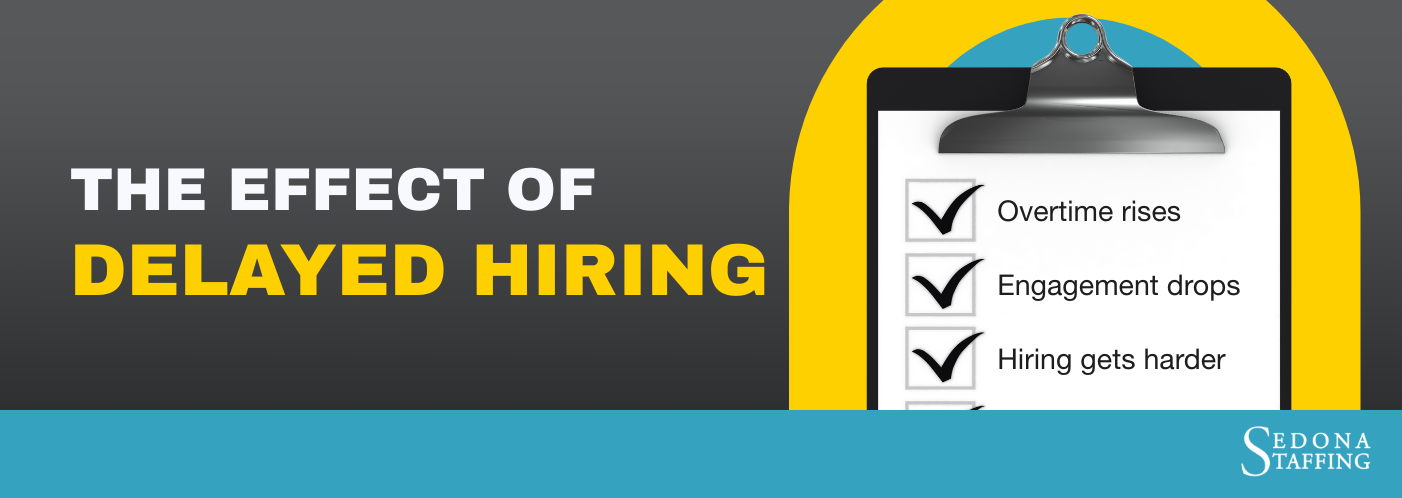
When hiring is delayed, the consequences build gradually.
- Workloads increase without additional support
- Overtime becomes routine instead of temporary
- Attendance issues rise as fatigue sets in
- Supervisors spend more time covering gaps than managing performance
None of these issues show up as a single line item. Together, they quietly erode productivity and morale. By the time spring arrives, teams are already stretched thin.
Why Waiting Makes Hiring Harder Later
As hiring demand increases across Midwest markets, competition for candidates rises quickly.
Employers who delayed hiring now face:
- Longer time-to-fill
- Fewer qualified candidates available
- More counteroffers and declined starts
- Pressure to make faster decisions with less confidence
What felt like patience earlier often becomes urgency later.
The Retention Impact Most Employers Miss
Delayed hiring does not only affect open roles. It affects the people already on the team.
When employees are asked to carry extra workload for extended periods, engagement drops. Reliability suffers. Strong performers begin looking elsewhere.
By spring, employers may find themselves hiring to replace people they could have retained.
Why Midwest Markets Feel This More Acutely
In smaller and mid-sized Midwest markets, labor pools move quickly.
A limited number of early hires can shift availability across an entire region. Employers who wait may not realize how much has changed until candidates are no longer accessible. Local timing matters more than national trends.
How Sedona Staffing Helps Employers Avoid Reactive Hiring
At Sedona Staffing, we help employers evaluate hiring needs before urgency sets in.
Our recruiters work with local leadership teams to identify which roles create the most downstream impact when left unfilled. By addressing predictable needs earlier, employers reduce overtime, stabilize teams, and enter spring with stronger footing. Hiring becomes proactive instead of reactive.
Q&A
Q. Is it ever smart to delay hiring?
A. Sometimes, but only when delays are strategic and short-term, not indefinite.
Q. Does early hiring really reduce costs?
A. Yes. It lowers overtime, reduces burnout, and improves onboarding outcomes.
Q. Why does spring hiring feel more competitive?
A. Demand rises faster than supply, especially in smaller labor markets.
Q. Can delayed hiring affect retention?
A. Absolutely. Extended workload strain often pushes good employees out.
Q. How can a staffing partner help with timing?
A. By providing local market insight and helping employers act before pressure builds.
Final Thoughts
Waiting to hire rarely means standing still. The cost shows up in overtime, morale, and rushed decisions later. Employers who address staffing needs earlier gain stability while others scramble to catch up.
In Midwest markets, timing is a competitive advantage. At Sedona Staffing, we help employers use it wisely.
This article is for informational purposes only and job placement or employment is not guaranteed. This article was written by our team of staffing experts. We leverage advanced AI tools to assist with research and composition, and every piece is reviewed and edited by our team.