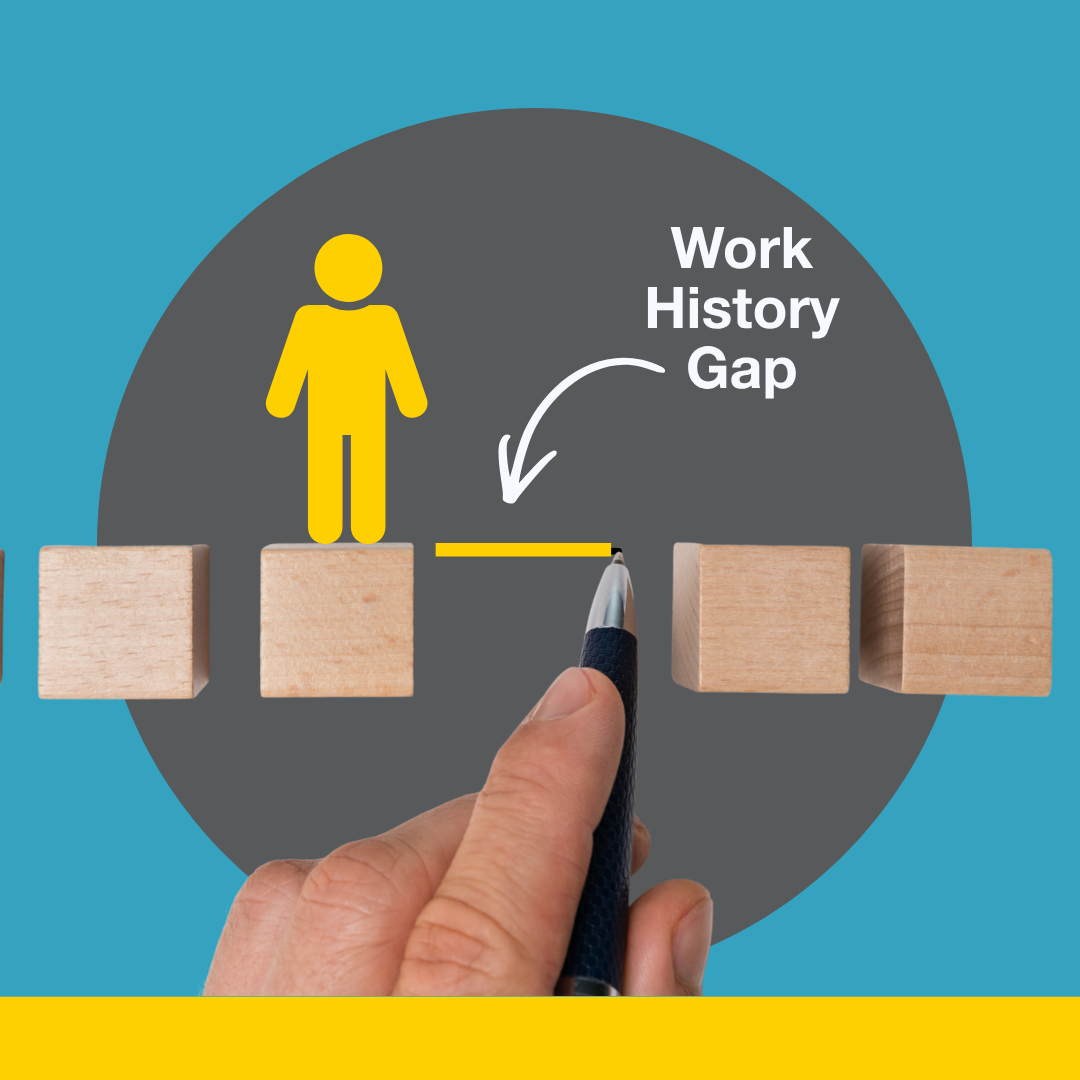

How to Change Careers in 2026 Without Starting Over
A realistic guide for professionals ready for change, not a reset.

Career changes look different than they used to.
In 2026, fewer people are chasing dramatic pivots or starting from scratch. Instead, we’re seeing something quieter and more practical. People want change, but they don’t want to lose momentum. They want growth, not a reset button.
At Sedona Staffing, this is one of the most common conversations we have. Job seekers aren’t saying, “I hate working.” They’re saying, “I don’t see a future here anymore.” This article breaks down how career changes are actually happening today and how people are moving forward without undoing everything they’ve already built.
Why Career Changes Are Increasing in 2026
The past few years reshaped how people think about work.
Many professionals gained new skills, took on expanded responsibilities, or worked in unfamiliar environments. Others stayed in roles that no longer fit simply because change felt risky. As the market stabilizes, those experiences are catching up.
Career changes in 2026 are less about dissatisfaction and more about alignment. People want roles that match their strengths, values, and long-term goals. They’re not abandoning their experience. They’re trying to use it better.
The Biggest Myth About Career Changes
The most common misconception is that changing careers means starting at the bottom.
In reality, most career transitions are lateral, not vertical. Skills like communication, organization, leadership, problem-solving, and reliability transfer across industries far more often than people realize.
What changes is the environment, the pace, or the direction. Not the value you bring. When job seekers focus only on job titles, they miss opportunities where their experience fits naturally but looks different on paper.
What a Smart Career Change Actually Looks Like
Successful career changes usually share a few traits.
They build on existing strengths. They involve roles with learning curves that reward effort. And they move people closer to what they want long-term, even if the title isn’t exactly what they imagined.
In many cases, temporary or temp-to-hire roles become the bridge. They allow candidates to explore a new environment, prove their value, and gain industry-specific experience without locking themselves into the wrong move. This approach reduces risk and increases clarity for both sides.
Why Career Changes Feel Harder Online
Job boards make career changes feel harder than they actually are.
Automated systems are built to match past titles with future titles. When someone steps outside a traditional path, their resume may not align cleanly with keywords, even if their skills are highly relevant.
That’s why many capable candidates feel stuck applying online. The system struggles to see potential. It looks for patterns.
Career changers succeed faster when there’s context added back into the process.
How Recruiters Help Career Transitions Succeed
Working with a recruiter changes the conversation.
Instead of asking, “Do you match this job exactly?” the focus shifts to, “Where does your experience make sense next?” Recruiters help translate skills, frame experience properly, and connect candidates with employers open to growth. For employers, this brings motivated candidates who are intentional about their next step. For job seekers, it creates access to opportunities they wouldn’t find or qualify for online alone.
Career changes stop feeling like a gamble and start feeling strategic.
What This Means for Job Seekers
If you’re considering a career change in 2026, the goal isn’t to erase your past. It’s to leverage it.
Start by identifying what you want more of and what you want less of. Focus on transferable skills. Be open to roles that aren’t an exact match but offer room to grow.
Most importantly, don’t assume your experience limits you. In many cases, it’s what makes you valuable in a new setting.
Q&A
Q. Do I need to go back to school to change careers?
A. Not always. Many roles value experience, adaptability, and trainability over formal credentials.
Q. Will I have to take a pay cut?
A. Sometimes, but not always. Many career changes are lateral in compensation, especially when skills transfer cleanly.
Q. Are temp roles a good option for career changers?
A. Yes. They allow you to test a new field, gain experience, and build confidence before committing long-term.
Q. How do I explain a career change to employers?
A. By focusing on what you bring, not what you’re leaving. Clarity matters more than justification.
Q. Can recruiters really help with career changes?
A. Yes. Context and advocacy make a significant difference, especially when transitioning between industries.
Final Thoughts
Career changes in 2026 aren’t about starting over. They’re about moving forward with intention.
The most successful transitions don’t abandon experience. They reapply it in environments where it can grow. With the right support and clarity, a career change becomes less risky and far more rewarding.
At Sedona Staffing, we help people take that next step thoughtfully. Not by pushing quick moves, but by helping candidates find roles that fit where they’re headed. Because change doesn’t have to mean losing ground. Sometimes, it’s how you gain it.
This article is for informational purposes only and job placement or employment is not guaranteed. This article was written by our team of staffing experts. We leverage advanced AI tools to assist with research and composition, and every piece is reviewed and edited by our team.