
How to Refresh Your Resume for 2026: An ATS-Friendly Guide That Actually Works
Why modern resumes need both human clarity and algorithm-ready structure
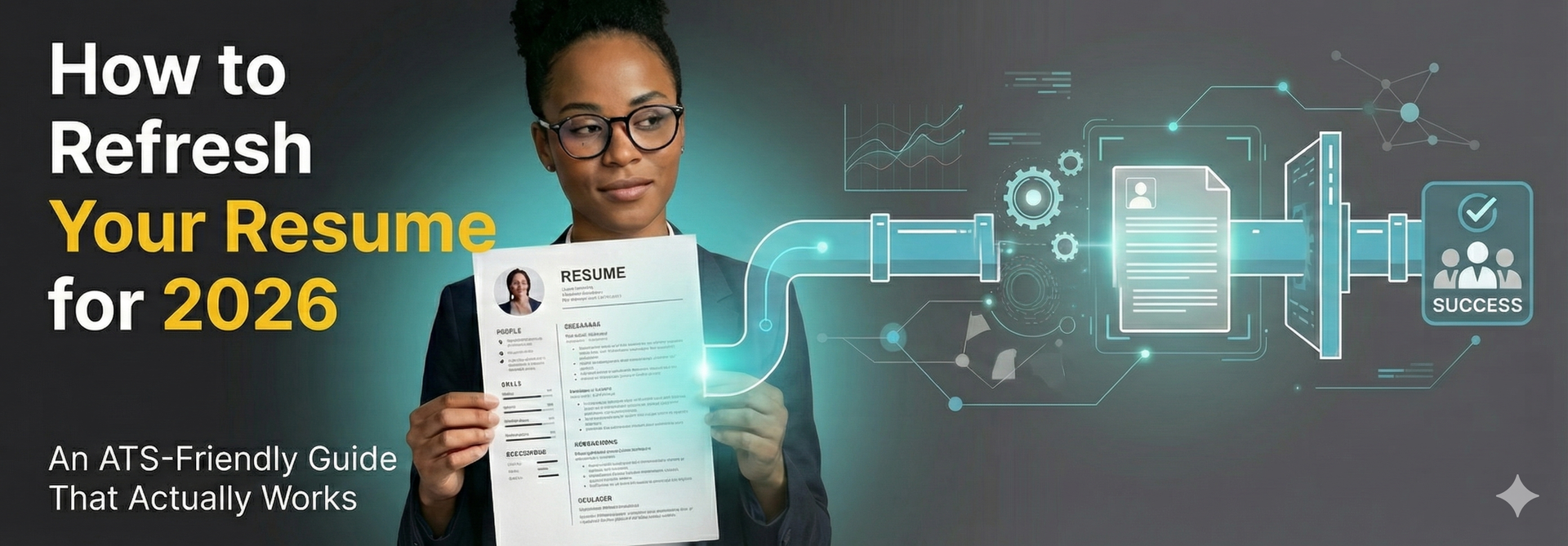
Applying for jobs today isn’t the same as it was even a few years ago. Before your resume ever reaches a hiring manager, it almost always passes through an Applicant Tracking System (ATS) — software designed to scan, sort, and rank applications. That doesn’t mean machines are deciding the entire process, but it does mean the first test your resume faces isn’t human eyes.
The good news? With a few thoughtful updates, you can make your resume clear, clean, and compelling for both audiences: the technology that organizes applications and the people who actually make hiring decisions.
At Sedona Staffing, we see thousands of resumes every year. We know what gets overlooked, what stands out, and what helps candidates get noticed faster. This guide brings together those insights so you can walk into 2026 with a resume that’s ready for today’s hiring landscape.
Why Your Resume Needs a Refresh for 2026
The job market is evolving. More employers rely on digital tools, keyword matching, and automated screening to manage volume. At the same time, they’re placing even greater weight on qualities that technology can’t measure — reliability, communication, teamwork, and the ability to learn quickly.
A modern resume must do two things extremely well:
- Match the language of the job description
- Tell a clear, human story of your strengths and achievements
Striking that balance is what gets your application seen and remembered.
What to Update First
1) Keep Formatting Clean and Simple
ATS systems read text from top to bottom. Overly designed resumes, tables, columns, and graphics can confuse the scanner and bury key information.
Use:
✓ Standard fonts
✓ Simple headers
✓ Bullet points
✓ Clear section titles
Avoid:
✗ Images
✗ Charts
✗ Text boxes
✗ Multi-column layouts
A straightforward format always performs better.
2) Match Your Keywords — Naturally
This doesn’t mean “keyword stuffing.” It means aligning your language with the employer’s language.
If the job posting uses the phrase “customer service support,” but your resume says “client assistance,” the system may not realize they’re the same thing.
Look for keywords related to:
- Skills
- Software/tools
- Certifications
- Industry terms
- Job titles
- Experience level
And integrate them in a way that still reads like real, human writing.
3) Bring Your Achievements Forward
A resume should answer one question quickly:
“What did you actually accomplish?”
Instead of listing tasks, highlight results:
- “Reduced waste by 18% through improved workflow.”
- “Trained five new team members during peak season.”
- “Consistently met or exceeded production goals for 12 consecutive months.”
Specific outcomes make you immediately more memorable.
4. Use the Right File Type
Most ATS systems read .docx or PDF with no issues. Older systems may struggle with uncommon formats.
If in doubt, .docx is the safest bet.
5. Write for Humans Too
Once you make it past the system, your resume has to connect with a real hiring manager. This is where tone and clarity matter.
Keep your sentences short, straightforward, and confident — not robotic.
How Sedona Helps Your Resume Get Seen
Even the best resumes can get lost in online platforms. That’s one big reason job seekers partner with Sedona.
We don’t rely on algorithms alone — our recruiters personally review applications & resumes, talk through your strengths, and match you with vetted employers who value what you bring to the table.
You’re not just another upload in a digital stack.
You’re an individual, and we advocate for you accordingly.
Q&A: Your Top Resume Questions, Answered
Q: Do I need a different resume for every job?
A: Not a completely new one. Just adjust keywords and phrasing so it aligns with each posting.
Q: Are AI resume tools helpful?
A: They can assist with structure, but always edit for authenticity. Hiring managers spot overly automated language instantly.
Q: Should I include an objective statement?
A: Only if it adds value. A concise summary of your strengths is often more effective.
Q: How long should my resume be?
A: One page is ideal for most people, but two pages are fine for those with extensive experience.
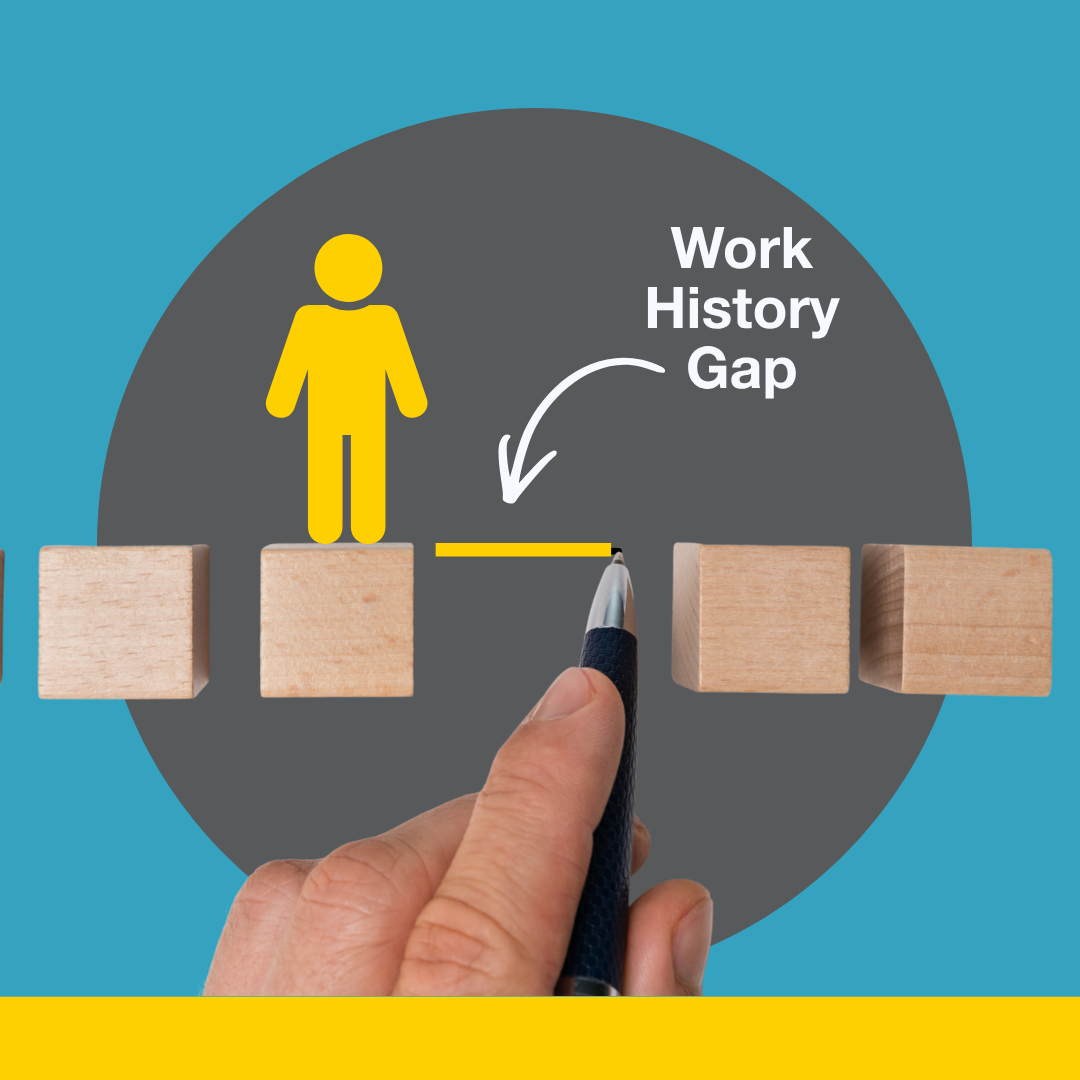
Q: What if I have employment gaps?
A: Gaps are common. Use a brief explanation in your cover letter or discuss transferable skills gained during that time.
Final Thoughts
A resume isn’t just a document — it’s the first impression you make in a competitive, tech-driven hiring environment. When it meets both the digital and human expectations of today’s workforce, you give yourself a real advantage.
Whether you’re entering the job market, considering a change, or preparing for 2026, a fresh, ATS-friendly resume helps open doors.
And if you want guidance, feedback, or honest support from real people who know the hiring landscape, Sedona’s team is here to help you take the next step with confidence.
This article is for informational purposes only and job placement or employment is not guaranteed. This article was written by our team of staffing experts. We leverage advanced AI tools to assist with research and composition, and every piece is reviewed and edited by our team.