
Why You Should Not Quit a Job You Just Started
The first weeks are the hardest part of any job, and leaving early rarely fixes it.
You started the job. The first day was fine, maybe even good. Then the newness wore off, and by the end of week two you were quietly wondering whether you should walk. Before you do, understand what you are actually reacting to.
Why Quitting Feels Like the Smart Move in Week Two
Almost every new job has a stretch where it feels wrong. The routine is unfamiliar, the people are strangers, the pace is different than what you are used to, and none of the reasons you took the job have started paying off. You have not hit a full pay cycle. You have not learned the shortcuts. You have not found the person you eat lunch with.
So the discomfort gets read as a signal. Your brain tells you this is a bad fit, and that reading feels responsible. It feels like self awareness. Most of the time it is just timing, because the hardest part of a new job happens before any of the good parts show up.
What You Gain by Giving It a Month
A month is not a magic number, but it is usually long enough for three things to happen at once.
- The work becomes routine. Tasks that took your full attention in week one turn automatic, and every day gets easier to get through.
- The people become familiar. Most of what makes a job good or miserable is who you work with, and you cannot judge that from a first impression.
- The tradeoffs become real. Pay, schedule, days off, commute. These are numbers on paper in week one. By week four you know what they actually feel like.
People who stay past that point are judging the real job. People who leave before it are judging the adjustment, which is a different thing and always looks worse.
What Leaving Early Actually Costs You
Walking away early costs more than the paycheck you give up.
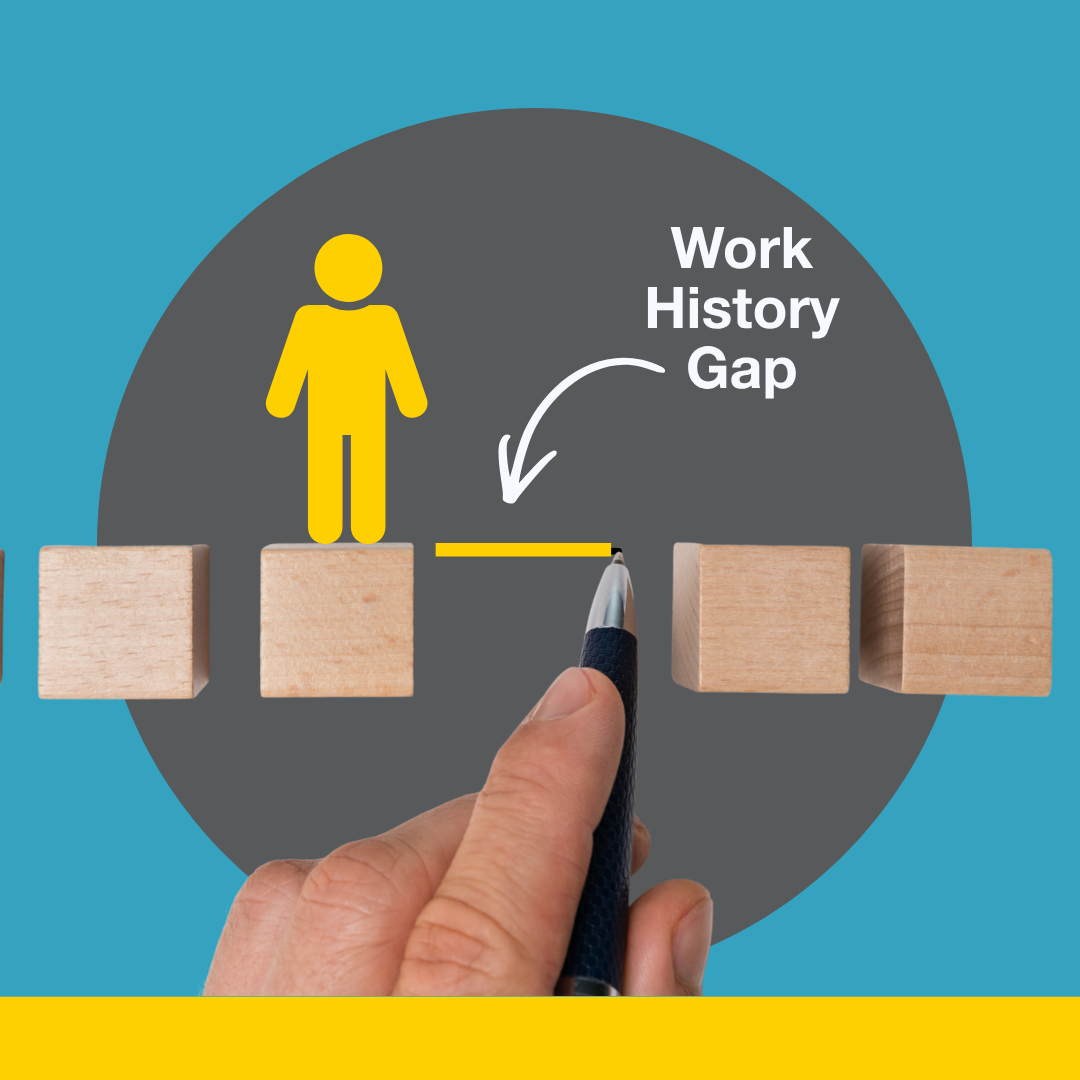
- A short stint on your work history that you will have to explain in every future interview
- Loss of the recruiter or manager relationship that got you the opening
- A restart on the application, screening, and onboarding process somewhere else
- Weeks without income while you wait for the next opening to line up
- The same adjustment period waiting for you at the next job
That last one is the trap. The discomfort you are trying to escape is attached to starting, not to this specific job. Quitting does not skip the adjustment. It resets the clock.
The Exception: When Leaving Early Is the Right Call
There is a real exception here, and skipping past it would be dishonest. Most first month misery is adjustment. Some of it is not. Leave early, and leave without guilt, when any of these are true.
- The job is not what was described. Different duties, different pay, or different hours than what you agreed to.
- Something is unsafe, and raising it does not change anything.
- You are being treated in a way that no adjustment period excuses.
- Your health is getting worse instead of better. Discomfort that fades is adjustment. Pain that grows or gets sharper is not.
None of these improve with time, so staying through them does not build anything. But they are the exception, not the rule. If none of them describe your situation, what you are dealing with is almost certainly the adjustment, and the adjustment ends.
How to Tell the Difference
One question sorts most of it. Is this getting easier, or is it getting worse?
An adjustment gets easier. Week three is better than week one, even if only a little. If you can point at anything that improved, you are in an adjustment and time is on your side.
A real problem gets worse, or it stays exactly the same no matter what you do. If week three looks identical to week one and nothing you raised got addressed, more time will not fix it.
The second test is whether you can name the problem. If you can say specifically what is wrong, take it seriously. If all you can say is that it feels hard, that is usually the adjustment talking.
How Sedona Staffing Helps Candidates Through the First Month
Recruiters watch this play out every week, which is why the good ones set expectations before a candidate accepts. Being clear about what the first few weeks will feel like is not a way to talk someone out of a job. It is how you keep them in one they end up liking.
Sedona Staffing recruiters stay in contact through that first month for exactly that reason. When a candidate has someone to call during the hardest stretch, the good jobs get a fair shot and the real problems get caught early instead of after someone walks off a shift.
Questions Candidates Ask
Q. Should I quit a job I just started?
A. Usually not, at least not yet. Most of what makes a new job feel wrong in the first few weeks is the adjustment, and it fades.
Q. How long should I give a new job before deciding?
A. About a month for most roles. That is usually long enough for the routine to settle so you are judging the job instead of the adjustment.
Q. Does quitting after a few weeks actually hurt my chances later?
A. It can. Short stints raise questions in future interviews, and you lose the relationship with whoever helped you get hired.
Q. What if the job is genuinely not what I was told it would be?
A. That is the exception. Raise it right away with your recruiter or manager, and if nothing changes, leaving early is a reasonable decision.
Q. What should I ask before accepting a job so the first month goes better?
A. Ask what the first few weeks actually look like, what the hardest part of the role is, and who to contact if you run into trouble.
Final Thoughts
Quitting a job you just started almost never fixes the thing you are trying to fix. The difficulty you are running from is attached to starting, not to this job, and it will be waiting for you at the next place.
The first weeks are not a preview of the job. They are the hardest version of it. Give it a month when the problem is difficulty. Move sooner when the problem is the job itself. Most of the time it is difficulty, and most of the time a month is all it takes.
This article is for informational purposes only and job placement or employment is not guaranteed. This article was written by our team of staffing experts. We leverage advanced AI tools to assist with research and composition, and every piece is reviewed and edited by our team.